EV Sales Drop 27% in US as Tax Credit Ends
Sales of electric vehicles in the United States experienced a significant decline in the first quarter of this year, dropping by 27% compared to the same period last year. This downturn follows the Trump administration's decision to end the $7,500 federal tax credit for EV purchases at the end of September 2024.
According to data from Cox Automotive, approximately 216,399 new electric vehicles were sold nationwide during the first three months of the year. This represents a decrease of 7.8% from the previous quarter and a substantial 27% decline from Q1 2024.
The most dramatic drops were seen among luxury brands. Audi's EV sales plummeted by 89.6%, BMW's by 63.3%, and Genesis saw an 89% decline. Other notable decreases included Dodge (87.7%), Honda (65.3%), and Volkswagen (87.7%).
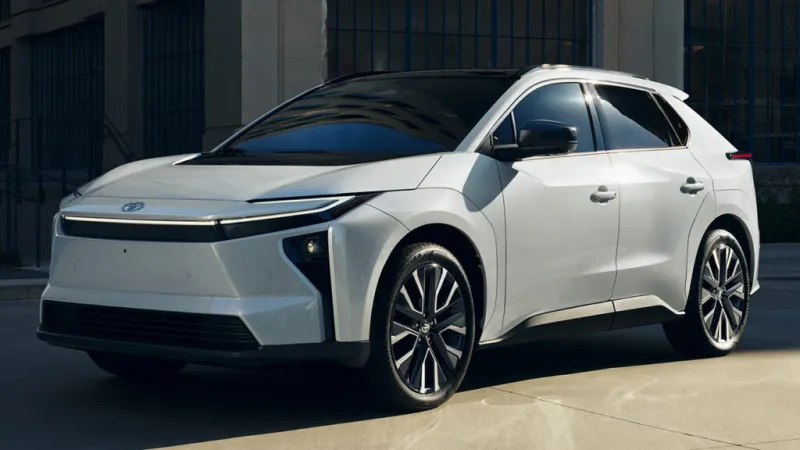
However, not all manufacturers experienced losses. Toyota emerged as a clear winner with an impressive 79% increase in EV sales, driven by strong demand for its updated BZ model. Lexus sales jumped 206.7%, Rivian saw a 21.2% increase, and Cadillac and Lucid also posted modest gains.
Stephanie Valdez Streaty, director of insights at Cox Automotive, noted that "The U.S. EV market has clearly entered a new phase. With federal incentives gone, the first quarter reflected a necessary reset – sales slowed and market share shifted. What comes next will be driven less by policy and more by fundamentals: more affordable products, smarter pricing strategies, and continued investment in infrastructure."
The data suggests that while the EV market is experiencing a temporary setback, the long-term trajectory remains positive. Industry experts believe that as manufacturers adjust their pricing strategies and expand their product offerings, EV sales will continue to grow, albeit at a more measured pace than previously anticipated.